Author: admin

  • Cloud Computing Solutions: A Smarter Way to Modernize Business

    Cloud Computing Solutions: A Smarter Way to Modernize Business

    Cloud technology has changed how businesses store information, operate applications, collaborate with teams, and serve customers. Instead of depending entirely on physical servers and traditional infrastructure, organizations can access computing resources through flexible cloud environments. Modern cloud computing solutions can support startups, growing companies, enterprises, and independent professionals by providing resources that can scale with changing demands. Businesses can use cloud platforms for data storage, software deployment, backup, analytics, communication, and application development without building every component from scratch. The approach also makes it easier to adapt when workloads increase or business priorities shift. For companies exploring digital transformation, understanding the different cloud models and their practical advantages is an important first step toward creating a more flexible and resilient technology strategy.

    What Are Cloud Computing Solutions?

    Cloud computing solutions are technology services that provide computing resources through internet-connected infrastructure. These resources can include servers, databases, storage, networking, software, security tools, and development environments. Rather than purchasing and maintaining every physical component internally, a business can access resources according to its requirements.

    A small company, for example, might use cloud storage and online productivity applications, while a large organization could operate complex databases and customer-facing applications across multiple cloud environments. The key advantage is flexibility. Organizations can select services that match their workloads and adjust capacity as requirements change. This model can also reduce the operational burden associated with maintaining physical infrastructure, allowing internal teams to focus more attention on business objectives, applications, and customer experiences.

    Why Businesses Are Moving to the Cloud

    The move toward cloud infrastructure is driven by more than convenience. Companies increasingly need technology environments that can respond quickly to changing markets, remote work requirements, customer expectations, and growing data volumes.

    Cloud services can provide several practical benefits:

    • Flexible computing capacity
    • Easier remote collaboration
    • Centralized data access
    • Faster application deployment
    • Automated backup opportunities
    • Improved disaster recovery planning
    • More predictable infrastructure management
    • Support for data analytics and artificial intelligence

    For example, a retail company experiencing seasonal traffic can increase computing capacity during busy periods and reduce it afterward. This flexibility can be difficult to achieve with fixed physical infrastructure.

    Major Types of Cloud Services

    Infrastructure as a Service

    Infrastructure as a Service, commonly known as IaaS, provides fundamental computing resources such as virtual machines, storage, and networking. Businesses have greater control over operating systems and applications while the cloud provider manages much of the underlying physical infrastructure.

    IaaS is useful for organizations that need customized environments without purchasing and maintaining large amounts of hardware. It can also help development teams create testing environments more quickly.

    Platform as a Service

    Platform as a Service, or PaaS, provides developers with an environment for creating, testing, and deploying applications. Instead of managing every infrastructure component, developers can concentrate primarily on application functionality.

    PaaS can be particularly valuable for software teams that need faster development cycles. It can simplify deployment processes and provide access to databases, development frameworks, monitoring tools, and other supporting technologies.

    Software as a Service

    Software as a Service, or SaaS, delivers applications through the internet. Users generally access the software through a browser or dedicated application without managing the underlying servers.

    Email platforms, project management systems, accounting applications, and collaboration tools are common examples. SaaS can reduce installation and maintenance responsibilities while making applications accessible across different devices.

    Cloud Deployment Models

    Different organizations have different requirements, which is why cloud environments are not limited to a single structure.

    Deployment ModelMain CharacteristicsSuitable For
    Public CloudShared provider infrastructureStartups and scalable workloads
    Private CloudDedicated organizational environmentSpecialized or controlled workloads
    Hybrid CloudCombination of public and private resourcesBusinesses needing flexibility
    Multi-CloudServices from multiple providersOrganizations seeking diversification

    A company might use a public environment for its website while retaining selected systems within a private environment. Another organization may use multiple providers to support different applications. Choosing the right structure depends on security requirements, workload characteristics, budget, compliance considerations, and technical expertise.

    Security Should Be a Core Priority

    Moving systems to the cloud does not automatically make them secure. Effective protection requires appropriate configuration, access controls, monitoring, encryption, authentication, and regular reviews.

    Organizations should establish clear policies for who can access sensitive information and which applications are permitted to communicate with internal resources. Multi-factor authentication can add another layer of account protection, while encryption can help protect information during storage and transmission.

    Security responsibilities are also shared. Cloud providers protect the infrastructure they operate, while customers remain responsible for many aspects of configuration, user access, applications, and data management. Understanding this division of responsibility is essential for avoiding preventable security problems.

    Organizations researching online technology and security topics may encounter industry-focused resources such as itsosintdefender.com, which can serve as an example of how specialized digital publications discuss technology and information-security themes.

    How Cloud Computing Improves Collaboration

    Modern teams are often distributed across different cities, offices, or countries. Cloud-based applications can allow employees to access shared files, communicate through online platforms, manage projects, and work on documents without relying on a single physical location.

    This can improve productivity because team members can work with current information rather than repeatedly exchanging local copies of files. Managers can also gain better visibility into projects and workflows.

    For example, a marketing team can store campaign materials in a centralized cloud workspace while designers, writers, analysts, and managers access the information they need. With appropriate permissions, employees can collaborate without compromising organizational control over important resources.

    Cloud Storage and Data Management

    Data has become one of the most valuable assets for modern businesses. Cloud storage provides organizations with scalable options for storing documents, media, databases, backups, and application data.

    A strong data-management strategy should consider:

    • Storage capacity
    • Data classification
    • Access permissions
    • Backup schedules
    • Retention policies
    • Recovery procedures
    • Encryption requirements

    Cloud storage can be particularly useful when data volumes change rapidly. However, businesses should avoid treating storage as an unlimited dumping ground. Organized naming systems, retention rules, permissions, and lifecycle management can keep cloud environments efficient and easier to administer.

    Publications covering specialized industries, such as itsasbestos.com, illustrate another important point: organizations in different sectors can have very different information-management needs, making flexible digital infrastructure increasingly valuable.

    Cloud Computing and Business Scalability

    One of the strongest reasons to adopt cloud infrastructure is scalability. Traditional infrastructure often requires businesses to estimate future capacity and purchase equipment before that capacity is needed. Cloud environments can provide more flexible resource allocation.

    Consider an online store preparing for a major promotional campaign. Traffic may increase dramatically for several days and then return to normal. Cloud-based infrastructure can help the business respond to temporary demand without permanently maintaining the same level of physical capacity.

    This scalability is also valuable for startups. A new company can begin with modest resources and expand its infrastructure as customers, transactions, and applications grow.

    Supporting Innovation and Application Development

    Cloud environments can accelerate experimentation. Development teams can create temporary environments, test new applications, analyze data, and deploy updates without waiting for extensive hardware procurement.

    This can be especially important for businesses exploring artificial intelligence, machine learning, automation, real-time analytics, and modern application architectures.

    A technology-focused resource such as dpviewertech.com reflects how digital platforms increasingly intersect with software, data, and technology discussions. For businesses, the broader lesson is that infrastructure needs to evolve alongside the applications and services customers expect.

    Managing Cloud Costs Effectively

    Cloud computing can improve resource efficiency, but poor management can lead to unnecessary expenses. Simply moving every existing system to the cloud without reviewing usage patterns may create waste.

    Businesses should regularly examine resource consumption and identify unused or oversized services. Automated scaling, budget alerts, workload scheduling, and resource tagging can help improve financial visibility.

    A useful approach is to connect infrastructure spending with business outcomes. Instead of asking only how much a cloud service costs, organizations should consider what value it generates through improved productivity, customer service, reliability, speed, or revenue opportunities.

    Financial and investment-oriented sites such as bestocksmarkettips.com demonstrate how digital information platforms depend on reliable technology environments. For organizations operating data-heavy services, efficient infrastructure management can directly influence performance and user experience.

    Cloud Backup and Disaster Recovery

    Unexpected events can disrupt business operations. Hardware failures, cyber incidents, accidental deletion, software problems, or natural disasters can all affect access to important information.

    Cloud-based backup and recovery strategies can provide additional resilience. Organizations can maintain copies of important information and develop procedures for restoring systems when primary resources become unavailable.

    A good disaster recovery strategy should define recovery priorities, acceptable downtime, backup frequency, responsible personnel, and testing procedures. Backups should also be tested regularly because having a backup is not enough if the organization cannot successfully restore it.

    How to Choose the Right Cloud Strategy

    There is no universal cloud model that works perfectly for every organization. Businesses should evaluate their requirements before selecting services.

    Important considerations include:

    • Current infrastructure and applications
    • Data sensitivity
    • Compliance obligations
    • Expected growth
    • Internal technical expertise
    • Budget limitations
    • Performance requirements
    • Backup and recovery expectations
    • Integration with existing systems

    Organizations should also consider long-term management. A solution that appears inexpensive initially may become difficult to control if it creates unnecessary complexity or vendor dependency.

    Industry and data-focused resources such as newhearthstats.com also demonstrate the importance of dependable digital systems for handling information and delivering online services. The underlying infrastructure should therefore be selected with both current needs and future growth in mind.

    The Future of Cloud Technology

    Cloud computing continues to evolve alongside automation, artificial intelligence, edge computing, advanced analytics, and increasingly distributed applications. Businesses are likely to focus more on intelligent resource management, stronger security controls, real-time processing, and integrated cloud environments.

    Edge computing can bring processing closer to users and connected devices, while AI-powered tools can analyze large datasets and automate selected business processes. At the same time, organizations are paying greater attention to governance, privacy, resilience, and cost optimization.

    The future is therefore not simply about moving everything online. It is about building technology environments that are adaptable, secure, measurable, and aligned with business goals.

    Conclusion

    Cloud computing has become a practical foundation for organizations seeking greater flexibility, scalability, collaboration, and digital efficiency. From basic storage and software applications to advanced analytics and application development, cloud services can support businesses at many stages of growth.

    The most successful cloud strategy is not necessarily the largest or most sophisticated one. It is the approach that matches an organization’s workload, security requirements, budget, technical capabilities, and long-term objectives. By selecting suitable service and deployment models, monitoring costs, protecting data, and preparing for recovery, businesses can build a dependable digital foundation.

    As technology continues to advance, cloud infrastructure will remain an important part of modern business operations. Organizations that approach cloud adoption strategically can create systems that are more responsive today while remaining prepared for tomorrow’s opportunities.

  • Ultimate Bucket List to Explore World Through Iconic Places and Experiences

    Travel is one of life’s greatest adventures, offering opportunities to experience different cultures, breathtaking landscapes, and unforgettable moments. Every traveler dreams of creating memories that last forever, and building a well-planned Travel Bucket List is the perfect way to make those dreams a reality. Instead of simply visiting famous attractions, a thoughtful travel plan focuses on meaningful experiences that inspire, educate, and transform. Whether you dream of standing beneath towering mountains, exploring ancient cities, relaxing on tropical beaches, or tasting authentic local cuisine, the world offers endless possibilities. This guide introduces some of the most iconic destinations and remarkable experiences that deserve a place on every traveler’s wish list. From natural wonders to cultural treasures and thrilling adventures, these ideas will help you create unforgettable journeys while making your Travel Bucket List richer, more exciting, and truly unforgettable.

    Why Every Traveler Needs a Travel Bucket List

    A travel bucket list is more than a collection of dream destinations. It serves as motivation to explore new places, step outside your comfort zone, and appreciate the beauty of our planet. Planning your adventures in advance allows you to prioritize destinations based on your interests, budget, and available time. Some travelers seek peaceful nature escapes, while others prefer vibrant cities, historical landmarks, or exciting outdoor adventures.

    A carefully planned Travel Bucket List also encourages smarter financial planning and helps you avoid missing destinations you’ve always wanted to visit. As you complete each journey, your confidence grows, and every trip becomes more meaningful. Rather than traveling without direction, you’ll have exciting goals that inspire every vacation and make each experience even more rewarding.

    Top Iconic Places Every Traveler Should Visit

    Some destinations have earned worldwide recognition because of their history, beauty, and unforgettable atmosphere. Visiting these places allows travelers to experience cultures and landmarks that have inspired millions.

    Some iconic places worth adding include:

    • Paris for its timeless architecture and romantic atmosphere.
    • Rome for ancient monuments and fascinating history.
    • Kyoto for peaceful temples and traditional Japanese culture.
    • Santorini for breathtaking sunsets and whitewashed villages.
    • New Zealand for incredible mountains and adventure activities.
    • Iceland for waterfalls, glaciers, and the Northern Lights.
    • Egypt for ancient pyramids and archaeological wonders.
    • Switzerland for scenic alpine landscapes and charming villages.

    Adding these remarkable destinations to your Travel Bucket List ensures that every future journey includes unforgettable memories and world-famous attractions.

    Natural Wonders That Leave Every Traveler Speechless

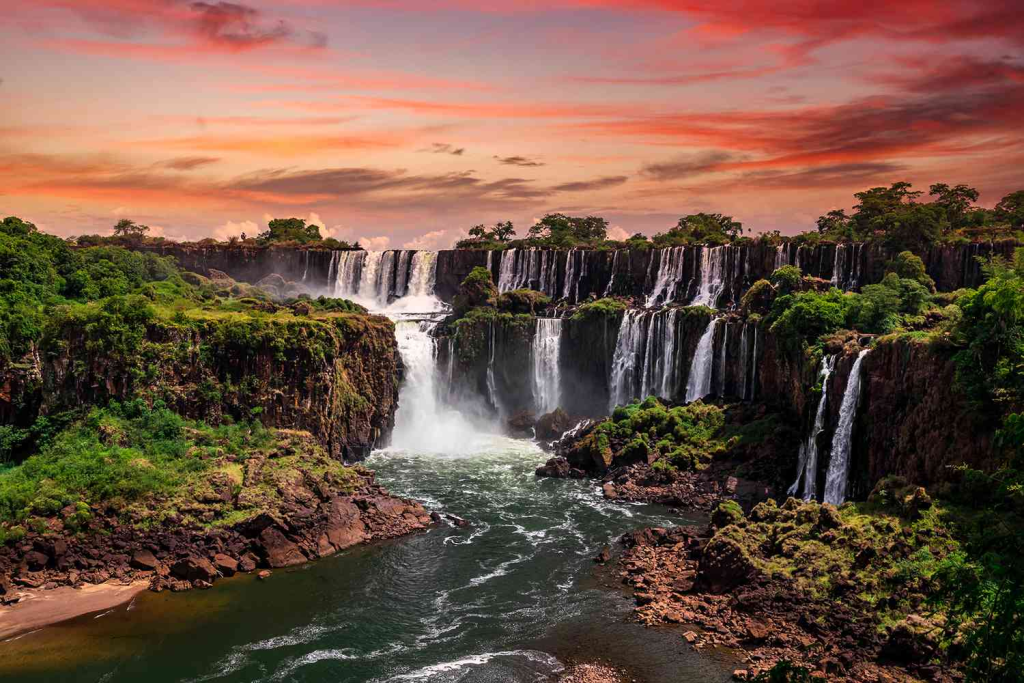
    Nature offers extraordinary experiences that no photograph can fully capture. Towering waterfalls, colorful coral reefs, majestic mountains, deserts, forests, and crystal-clear lakes remind us how incredible our planet truly is. Visiting these natural wonders creates memories that remain vivid for a lifetime.

    Imagine watching the sunrise over mountain peaks, hiking through ancient forests, sailing across turquoise lakes, or witnessing wildlife in their natural habitat. These experiences provide relaxation while also inspiring a deeper appreciation for environmental conservation.

    Many travelers prioritize natural destinations because they offer peace, adventure, and opportunities for photography. Including spectacular natural attractions in your Travel Bucket List balances busy city vacations with refreshing outdoor adventures that reconnect you with nature.

    Experience Different Cultures Around the World

    Travel becomes far more rewarding when you connect with local cultures instead of simply visiting famous landmarks. Every destination has unique traditions, festivals, languages, foods, music, and customs waiting to be discovered.

    Spend time exploring local markets, attending cultural celebrations, learning traditional dances, or participating in cooking classes. Speaking with local residents often leads to unforgettable stories and hidden attractions that guidebooks rarely mention.

    Respecting cultural traditions also helps create meaningful travel experiences. Instead of rushing through destinations, slow down and embrace everyday life. Your Travel Bucket List should include experiences that help you understand people, history, and traditions while creating lifelong memories beyond sightseeing.

    Adventure Experiences Worth Trying Once in a Lifetime

    Adventure lovers often seek experiences that challenge both body and mind. Whether you’re an experienced explorer or a beginner, countless activities provide excitement while creating unforgettable stories.

    Popular adventure experiences include:

    • Skydiving over scenic landscapes.
    • Scuba diving among colorful coral reefs.
    • Hiking famous mountain trails.
    • Hot air balloon rides at sunrise.
    • Wildlife safaris in national parks.
    • Glacier trekking.
    • White-water rafting.
    • Desert camping beneath star-filled skies.

    These adventures add excitement to your Travel Bucket List, encouraging personal growth while allowing you to experience destinations from unique perspectives. Even trying one new adventure each year can make your travels significantly more memorable.

    Best Food Experiences to Include in Your Travels

    Food plays an important role in every culture. Sampling authentic local dishes allows travelers to understand traditions while supporting local communities. Rather than searching for familiar meals, embrace regional specialties and traditional recipes.

    Visit local street food markets, family-owned restaurants, seafood villages, mountain cafés, and cultural food festivals. Fresh ingredients and traditional cooking techniques often create unforgettable dining experiences that cannot be replicated elsewhere.

    Consider joining local cooking workshops to learn recipes you can recreate at home. Every destination offers signature dishes that tell stories about its people and history. Culinary adventures deserve an important place on every Travel Bucket List, making each destination even more meaningful.

    Bucket List Experiences for Every Type of Traveler

    Different travelers enjoy different adventures depending on their interests. Personalizing your travel goals creates more satisfying experiences.

    Traveler TypeRecommended ExperienceBest Destination Style
    Nature LoverNational parks and hikingMountains and forests
    History EnthusiastAncient monumentsHistoric cities
    Adventure SeekerSkydiving and trekkingMountain regions
    Food LoverLocal cuisine toursCultural cities
    Beach TravelerIsland vacationsTropical destinations
    PhotographerSunrise viewpointsScenic landscapes
    Family TravelerTheme parks and wildlifeFamily-friendly destinations
    Solo TravelerCultural explorationSafe walkable cities

    A personalized Travel Bucket List ensures every trip reflects your passions while creating experiences you’ll cherish forever.

    Tips for Completing Your Bucket List Successfully

    Dreaming about travel is exciting, but turning those dreams into reality requires planning. Start by setting realistic goals based on your finances, available vacation time, and personal interests. Save consistently for future adventures instead of waiting for the perfect opportunity.

    Research destinations carefully before traveling. Learn about weather conditions, local customs, transportation options, safety guidelines, and seasonal attractions. Flexibility also helps because unexpected discoveries often become the highlights of a trip.

    Keep a travel journal or digital photo collection to document each adventure. Reviewing these memories later brings inspiration for future journeys while reminding you how much you’ve already accomplished. A well-organized Travel Bucket List becomes more than a list—it becomes a lifelong journey of exploration and personal growth.

    How Responsible Travel Makes Every Journey Better

    Responsible tourism helps preserve destinations for future generations. Travelers should respect local cultures, reduce waste, support local businesses, and protect natural environments whenever possible.

    Simple actions such as carrying reusable water bottles, minimizing plastic use, respecting wildlife, and choosing locally owned accommodations make a positive difference. Sustainable travel also provides more authentic experiences because it encourages meaningful interactions with local communities.

    Responsible travelers understand that exploring the world comes with responsibilities. By traveling thoughtfully, every destination remains beautiful and welcoming for future visitors while creating positive impacts for local residents and ecosystems.

    Conclusion

    The world is filled with extraordinary destinations, unforgettable adventures, fascinating cultures, and breathtaking landscapes waiting to be explored. Creating your own Travel Bucket List transforms ordinary vacations into meaningful life experiences that inspire curiosity and personal growth. Whether your dream involves exploring ancient cities, relaxing on pristine beaches, climbing mountains, tasting authentic cuisine, or witnessing natural wonders, every journey adds another unforgettable chapter to your story.

  • Best Solo Travel Tips to Explore World Safely and Confidently

    Traveling alone is one of the most rewarding experiences a person can enjoy. It allows you to explore new destinations at your own pace, meet interesting people, and gain confidence through independent decision-making. Whether you’re planning your first adventure or you’re already an experienced traveler, proper preparation is the key to a successful journey. Solo Travel offers complete freedom to create your own itinerary, discover hidden places, and step outside your comfort zone. While traveling alone may seem intimidating at first, the right planning and awareness can make every trip enjoyable and secure. From choosing the right destination to staying connected with loved ones, every small decision contributes to a safer experience. This guide provides practical tips that help you travel confidently, manage unexpected situations, and make unforgettable memories while exploring the world independently.

    Why Solo Travel Is Becoming More Popular

    The popularity of independent travel has increased significantly over the past few years. More people are realizing that waiting for friends or family to plan a vacation often means missing valuable opportunities. Solo Travel allows complete flexibility, enabling travelers to decide where to go, how long to stay, and which experiences matter most.

    Traveling alone also encourages personal growth. You learn how to solve problems, communicate with people from different cultures, and become more self-reliant. Every challenge becomes a valuable lesson that improves your confidence.

    Many travelers also enjoy the peace and freedom that comes with solo adventures. Instead of compromising on destinations or activities, you can fully customize your journey according to your interests, whether that’s hiking mountains, exploring historical cities, relaxing on beaches, or tasting local cuisine.

    Choose the Right Destination for Your First Trip

    Selecting the right destination is one of the most important decisions for a successful solo journey. Beginners should prioritize places known for safety, reliable transportation, and welcoming local communities.

    Before booking your trip, research important details including:

    • Safety ratings
    • Local transportation options
    • Weather conditions
    • Accommodation availability
    • Tourist attractions
    • Emergency services
    • Local customs and traditions

    Starting with destinations that are easy to navigate helps build confidence. Once you gain more experience, you can gradually explore more adventurous locations. Proper research reduces stress and helps you prepare for unexpected situations before arriving.

    Plan Your Solo Travel Budget Carefully

    One of the biggest advantages of traveling alone is having complete control over your spending. However, careful budgeting is essential to avoid financial stress during your journey.

    Create a realistic budget that includes transportation, accommodation, food, sightseeing, shopping, travel insurance, emergency funds, and daily expenses. Always keep some extra money available for unexpected situations such as medical emergencies or transportation changes.

    Tracking expenses throughout the trip helps prevent overspending. Mobile budgeting apps or simple notebooks can help monitor daily costs. Choosing affordable accommodations, using public transportation, and eating at local restaurants can significantly reduce expenses without affecting your overall experience.

    A well-planned financial strategy makes Solo Travel much more enjoyable because you can focus on experiences instead of worrying about money.

    Essential Solo Travel Packing Checklist

    Packing smart makes every journey easier. Carry only the items you truly need while ensuring you have everything required for comfort and safety.

    Important Travel Essentials

    • Passport and identification
    • Travel insurance documents
    • Credit and debit cards
    • Emergency cash
    • Phone charger and power bank
    • Universal travel adapter
    • First-aid kit
    • Comfortable walking shoes
    • Lightweight clothing
    • Water bottle
    • Personal hygiene products
    • Copies of important documents

    Packing light allows easier movement between airports, train stations, and hotels. It also reduces the chances of losing valuable belongings.

    Stay Safe Throughout Your Journey

    Safety should always remain your highest priority. Fortunately, most trips go smoothly when basic precautions are followed.

    Avoid displaying expensive jewelry, electronics, or large amounts of cash in public areas. Stay aware of your surroundings, especially in crowded places and unfamiliar neighborhoods.

    Share your travel itinerary with family or close friends before departure. Keep regular contact during your trip and inform someone whenever you change destinations.

    Trust your instincts. If a situation feels uncomfortable, leave immediately. Choosing reputable accommodations, using licensed transportation, and avoiding isolated areas at night greatly improve personal safety.

    These simple habits make Solo Travel much safer while allowing you to enjoy your adventure with confidence.

    Accommodation Options for Independent Travelers

    Choosing the right place to stay affects both comfort and security.

    Accommodation TypeBest ForAdvantagesConsiderations
    HotelsBeginnersHigh security and comfortHigher cost
    HostelsBudget travelersSocial atmosphereShared facilities
    Guest HousesLocal experiencesAffordable and friendlyFewer amenities
    ApartmentsLong staysMore privacySelf-management required

    Read recent reviews before booking accommodation. Select locations close to public transportation, tourist attractions, and emergency services whenever possible.

    Meet New People While Traveling Alone

    Traveling alone does not mean feeling lonely. In fact, many solo travelers meet more people than group travelers.

    Ways to Connect with Others

    • Join local walking tours.
    • Participate in cooking classes.
    • Visit community events.
    • Stay in social accommodations.
    • Attend cultural festivals.
    • Explore local markets.
    • Join adventure activities.

    Meeting locals and fellow travelers creates memorable experiences and often leads to lifelong friendships. However, always maintain healthy boundaries and avoid sharing sensitive personal information with strangers.

    Use Technology Wisely During Solo Travel

    Modern technology makes traveling easier than ever before.

    Useful travel apps help with navigation, language translation, transportation, currency conversion, and emergency contacts. Download offline maps before arriving at your destination in case internet access becomes unavailable.

    Keep electronic devices fully charged and carry a portable power bank for long sightseeing days. Store digital copies of important documents in secure cloud storage as well as offline backups.

    Technology also helps family members stay informed about your location, providing additional peace of mind during Solo Travel adventures.

    Respect Local Culture and Traditions

    Learning about local customs before arriving demonstrates respect and helps avoid misunderstandings.

    Research appropriate clothing, greetings, dining etiquette, tipping practices, photography rules, and cultural expectations. Showing respect for local traditions often results in warmer interactions with residents.

    Learning a few basic phrases in the local language can also improve communication and demonstrate appreciation for the culture. Simple greetings and polite expressions often create positive first impressions.

    Responsible travelers protect local environments by reducing waste, respecting wildlife, and supporting local businesses whenever possible.

    Build Confidence While Traveling Alone

    Confidence develops naturally with experience. Every successful trip makes future journeys easier.

    Start each day with a flexible plan while allowing room for spontaneous discoveries. Celebrate small achievements such as navigating public transportation, ordering food in another language, or finding hidden attractions independently.

    Remember that occasional mistakes are part of every travel experience. Missed buses, language barriers, and unexpected weather changes often become the most memorable stories later.

    Practicing confidence during Solo Travel also improves everyday life by strengthening problem-solving skills, adaptability, and decision-making abilities.

    Common Mistakes Solo Travelers Should Avoid

    Many travel problems can be prevented by avoiding a few common mistakes.

    Avoid These Errors

    • Overpacking unnecessary items
    • Ignoring travel insurance
    • Carrying all money in one place
    • Walking alone in unsafe areas at night
    • Sharing accommodation details publicly
    • Forgetting emergency contacts
    • Depending entirely on internet access
    • Skipping local safety advice

    Learning from these mistakes helps create smoother, safer, and more enjoyable travel experiences.

    Health and Wellness During Your Journey

    Maintaining your health while traveling is essential for enjoying every destination. Stay hydrated throughout the day, eat balanced meals whenever possible, and get enough sleep to avoid exhaustion. Carry any necessary medications along with basic medical supplies for minor illnesses or injuries.

    Take regular breaks during long sightseeing days to prevent fatigue. If visiting destinations with different climates, allow your body time to adjust. Wearing sunscreen, comfortable footwear, and weather-appropriate clothing also improves your overall travel experience.

    Physical and mental wellness work together. Taking quiet moments to relax, journal, or simply enjoy the surroundings helps reduce stress and allows you to fully appreciate your adventure.

    Conclusion

    Traveling alone is more than simply visiting new destinations—it is an opportunity to discover your own strengths, develop independence, and experience the world from a fresh perspective. With thoughtful planning, responsible decision-making, and an open mind, every journey can become both safe and unforgettable. Solo Travel encourages flexibility, confidence, and personal growth while allowing complete freedom to explore according to your interests. By choosing safe destinations, managing your budget wisely, respecting local cultures, packing efficiently, and staying aware of your surroundings, you can minimize risks and maximize memorable experiences. Whether you’re planning your very first independent adventure or preparing for another exciting journey, these practical tips will help you travel with greater confidence. Every successful trip builds valuable life skills and unforgettable memories, proving that the world is full of incredible opportunities waiting to be explored through Solo Travel.

  • Incredible Road Trip Ideas to Explore World with Friends and Family

    Road trips have always been one of the most exciting ways to experience new destinations, create unforgettable memories, and enjoy quality time with loved ones. Whether you are planning a weekend getaway or a month-long adventure, choosing the right Road Trip Ideas can completely transform your travel experience. Unlike flights or guided tours, road trips offer flexibility, freedom, and the opportunity to discover hidden gems that many travelers miss.

    Traveling with friends and family adds even more excitement because everyone contributes to the journey through shared laughter, spontaneous stops, and unforgettable experiences. From breathtaking mountain roads to stunning coastal highways and peaceful countryside routes, every destination offers something unique. With careful planning, a reliable vehicle, and an adventurous spirit, your next road trip can become one of the most memorable vacations of your life. This guide explores incredible destinations, planning tips, budgeting advice, and essential travel recommendations to help you enjoy a safe and exciting journey.

    Why Road Trips Are Perfect for Friends and Family

    Road trips provide an unmatched sense of adventure because travelers control every aspect of the journey. Instead of following fixed schedules, you can stop whenever something interesting appears along the road. Scenic viewpoints, local restaurants, waterfalls, historic towns, and hidden beaches become part of the adventure.

    One of the biggest benefits of choosing Road Trip Ideas is affordability. Traveling together reduces fuel costs, accommodation expenses, and food budgets compared to individual travel arrangements. Families can carry extra luggage, children’s necessities, and travel equipment without airline restrictions.

    Road trips also strengthen relationships. Spending hours together allows meaningful conversations, fun games, music playlists, and shared discoveries. These experiences create lifelong memories that are often more valuable than the destination itself.

    Another advantage is flexibility. If weather changes or you discover an unexpected attraction, you can easily adjust your schedule without worrying about missed flights or train reservations.

    Best Road Trip Destinations Around the World

    Many countries offer scenic driving routes suitable for travelers of every age. Whether you prefer mountains, forests, deserts, or oceans, there is a perfect adventure waiting.

    Some of the most popular destinations include:

    • Pacific coastal highways with spectacular ocean views
    • European countryside villages filled with history
    • Canadian mountain highways surrounded by lakes
    • Australian coastal drives with wildlife encounters
    • New Zealand’s scenic landscapes and rolling hills
    • Iceland’s famous ring road featuring waterfalls and glaciers
    • South African garden routes offering diverse wildlife
    • Japan’s countryside roads with peaceful villages

    These destinations provide endless inspiration for travelers searching for unforgettable Road Trip Ideas that combine natural beauty with cultural experiences.

    Essential Planning Before Starting Your Journey

    Proper planning is the key to a successful road trip. Even spontaneous adventures become more enjoyable when basic preparations are complete.

    Start by deciding your travel duration, destination, and approximate budget. Research weather conditions, fuel availability, accommodation options, and major attractions along your route. Download offline maps in case internet access becomes unavailable.

    Vehicle preparation is equally important. Schedule a maintenance check to inspect brakes, tires, engine oil, lights, battery, and cooling system. Carry emergency equipment such as a first-aid kit, flashlight, jumper cables, spare tire, and essential tools.

    Packing wisely also makes a huge difference. Bring comfortable clothing, reusable water bottles, snacks, chargers, travel pillows, entertainment, medications, and identification documents.

    Good preparation allows you to fully enjoy your chosen Road Trip Ideas without unnecessary stress.

    Road Trip Budget Planning

    Travel expenses vary depending on destination, duration, accommodation, and personal preferences. Creating a simple budget helps prevent overspending while ensuring a comfortable journey.

    Expense CategoryEstimated Share of BudgetTips to Save Money
    Fuel30%Drive efficiently and share costs
    Accommodation25%Book early or stay outside city centers
    Food20%Mix restaurants with picnic meals
    Attractions15%Prioritize free natural attractions
    Emergency Fund10%Keep extra cash for unexpected expenses

    Planning finances in advance gives travelers confidence and reduces unnecessary worries during the trip.

    Fun Activities to Enjoy During Road Trips

    Long drives become much more enjoyable when everyone participates in entertaining activities. Friends and families can create unforgettable moments by keeping the atmosphere lively throughout the journey.

    Popular road trip activities include:

    • Creating collaborative music playlists
    • Playing travel trivia games
    • Photography challenges
    • Visiting local food markets
    • Collecting souvenirs from small towns
    • Watching sunsets at scenic viewpoints
    • Camping under the stars
    • Recording travel memories in a journal

    These activities make every stop meaningful and keep travelers engaged throughout the adventure.

    Choosing the Perfect Vehicle

    The right vehicle significantly influences comfort, safety, and fuel efficiency. Families often prefer SUVs or spacious minivans because they provide extra luggage space and comfortable seating. Smaller groups may enjoy compact cars with excellent fuel economy, while adventure seekers sometimes choose camper vans for maximum flexibility.

    When selecting a vehicle, consider seating capacity, storage, fuel consumption, terrain compatibility, and safety features. Modern vehicles equipped with navigation systems, adaptive cruise control, parking assistance, and emergency braking enhance the overall driving experience.

    Comfort also matters during long journeys. Adjustable seats, climate control, charging ports, and sufficient legroom help reduce fatigue and make extended drives more enjoyable for every passenger.

    Selecting the right vehicle supports your favorite Road Trip Ideas and ensures a smooth experience from start to finish.

    Safety Tips Every Traveler Should Follow

    Safety should always remain the highest priority during any road trip. Responsible driving protects both passengers and other road users.

    Remember these essential guidelines:

    • Follow local traffic laws.
    • Avoid driving while tired.
    • Rotate drivers during long journeys.
    • Stay hydrated.
    • Wear seat belts at all times.
    • Check weather forecasts regularly.
    • Keep emergency contacts accessible.
    • Maintain safe driving speeds.
    • Avoid distractions while driving.
    • Take regular breaks every two to three hours.

    Following these simple precautions allows everyone to enjoy the adventure with peace of mind.

    Best Seasons for Different Road Trips

    Different destinations offer unique experiences depending on the season. Spring provides colorful flowers, pleasant temperatures, and fewer tourists. Summer offers long daylight hours perfect for sightseeing, beaches, and camping.

    Autumn is famous for vibrant foliage, cooler weather, and picturesque landscapes. Winter creates magical snowy scenery in mountain regions, although travelers should prepare for challenging driving conditions.

    Choosing the right travel season improves sightseeing opportunities, road conditions, and overall comfort. Researching seasonal weather before departure ensures your itinerary matches your expectations.

    Many experienced travelers plan their Road Trip Ideas around seasonal attractions such as blooming flowers, fall colors, wildlife migrations, or local festivals.

    Creating Memorable Experiences Along the Way

    The destination is only one part of a successful road trip. The real adventure often happens between locations. Small roadside cafés, scenic hiking trails, charming villages, hidden waterfalls, and local markets frequently become the highlights of the journey.

    Take time to explore places that are not listed in popular travel guides. Talk with local residents, taste regional cuisine, attend community events, and capture photographs of everyday life. These authentic experiences create deeper connections with each destination.

    Encourage every traveler to contribute suggestions throughout the journey. Children may enjoy amusement parks, while adults might appreciate museums, hiking trails, or scenic overlooks. Balancing everyone’s interests keeps the trip enjoyable for the entire group.

    The most rewarding Road Trip Ideas focus on experiences rather than simply covering long distances.

    Packing Checklist for a Comfortable Journey

    Packing efficiently helps avoid unnecessary stress during travel. Organize essential items before departure to ensure everything is easily accessible.

    Recommended travel essentials include:

    • Driver’s license and identification
    • Vehicle documents
    • First-aid supplies
    • Mobile chargers
    • Power bank
    • Comfortable clothing
    • Weather-appropriate jackets
    • Snacks and drinking water
    • Navigation maps
    • Sunglasses
    • Camera
    • Personal medications
    • Travel pillows
    • Blankets
    • Hygiene products

    Having these essentials available ensures travelers remain comfortable regardless of changing weather or unexpected situations.

    Conclusion

    Road trips remain one of the most rewarding ways to discover new destinations while strengthening relationships with friends and family. The freedom to explore at your own pace, visit hidden attractions, and create spontaneous adventures makes every journey unique. Careful planning, smart budgeting, proper vehicle preparation, and a positive attitude all contribute to an unforgettable experience.

    Whether your dream adventure includes mountain roads, coastal highways, countryside villages, or breathtaking national parks, the right Road Trip Ideas can turn an ordinary vacation into an extraordinary memory. Focus on enjoying the journey rather than rushing toward the destination, embrace unexpected discoveries, and make every mile count. With thoughtful preparation and an adventurous mindset, your next road trip will become a story worth sharing for years to come.

  • Smart Travel Hacks to Explore World with Less Money and More Fun

    Traveling the world is no longer a dream reserved for people with unlimited budgets. With proper planning, smart decisions, and creative thinking, anyone can enjoy unforgettable adventures without spending a fortune. The secret lies in learning practical Travel Hacks that help reduce costs while improving the overall travel experience. Whether you are planning your first international vacation or looking for affordable weekend escapes, a few simple strategies can stretch your budget further than you might expect.

    From booking flights at the right time to finding affordable accommodation and eating like a local, every smart decision contributes to a more enjoyable journey. Budget travel does not mean sacrificing comfort or missing exciting attractions. Instead, it means spending wisely so you can experience more destinations, cultures, and activities. This guide shares practical ideas that will help you travel confidently while keeping expenses under control.

    Why Smart Travel Planning Saves More Than Money

    Good planning is the foundation of every successful trip. Many travelers overspend because they make last-minute decisions or fail to compare available options. Researching your destination before departure allows you to identify affordable transportation, budget-friendly accommodations, free attractions, and local dining options.

    Using effective Travel Hacks during the planning stage helps eliminate unnecessary expenses. Booking transportation early often provides lower prices, while flexible travel dates may unlock better deals. Reading reviews, understanding local customs, and preparing a daily budget also prevent unexpected costs.

    Planning ahead also reduces stress. Instead of worrying about logistics during your vacation, you can focus on enjoying the experience. A well-prepared itinerary gives you more time to explore, relax, and discover hidden attractions that many tourists overlook.

    Choose Budget-Friendly Destinations

    Not every memorable vacation requires expensive flights or luxury resorts. Some countries and cities naturally offer excellent value for travelers. Destinations with lower living costs allow visitors to enjoy comfortable accommodations, delicious meals, and exciting activities without exceeding their budget.

    Before selecting your destination, compare average daily expenses, transportation costs, visa requirements, and seasonal prices. Traveling during the shoulder season often means fewer crowds and lower rates for hotels and attractions.

    Popular budget-friendly travel ideas include:

    • Countries with affordable public transportation
    • Cities offering free museums and parks
    • Coastal towns with inexpensive guesthouses
    • Mountain destinations featuring affordable outdoor activities
    • Cultural cities known for low-cost local food

    These simple Travel Hacks help maximize every dollar while allowing you to experience authentic local culture.

    Book Flights the Smart Way

    Flights often represent one of the biggest travel expenses. Fortunately, careful planning can significantly reduce airfare costs. Flexibility is one of the most powerful tools available to travelers. Flying on weekdays, choosing early morning departures, or adjusting travel dates by a few days can produce noticeable savings.

    Comparing nearby airports may also reveal cheaper options. Sometimes traveling to a neighboring city and taking local transportation is much less expensive than flying directly into a major tourist destination.

    Flight Booking Tips

    Travel StrategyPotential Benefit
    Book several weeks in advanceLower ticket prices
    Travel during off-seasonReduced airfare
    Compare nearby airportsMore affordable routes
    Pack lightAvoid baggage fees
    Stay flexible with datesBetter travel deals

    Applying these Travel Hacks consistently makes air travel much more affordable while leaving extra money for memorable experiences.

    Save Money on Accommodation

    Accommodation does not need to consume most of your travel budget. Hotels are only one option among many. Travelers today can choose from hostels, guesthouses, vacation rentals, budget hotels, and family-operated homestays that provide excellent comfort at lower prices.

    Staying slightly outside busy tourist areas often reduces nightly rates while giving you a more authentic local experience. Many accommodations also include free breakfast, kitchen facilities, or laundry services, helping travelers save even more throughout their journey.

    Traveling with friends or family allows accommodation costs to be shared, making larger apartments surprisingly affordable. Reading recent guest reviews before booking ensures you receive good value without unexpected surprises.

    Pack Smarter and Avoid Extra Costs

    Packing efficiently saves money, time, and unnecessary stress throughout your trip. Overpacking leads to baggage fees, heavy luggage, and less flexibility while moving between destinations.

    Instead of filling your suitcase with unnecessary clothing, pack versatile outfits that can be mixed and matched. Choose lightweight fabrics that dry quickly after washing. A reusable water bottle, portable charger, travel-sized toiletries, and comfortable walking shoes are essential items that improve convenience without adding much weight.

    Useful packing essentials include:

    • Multi-purpose clothing
    • Lightweight backpack
    • Portable charger
    • Reusable water bottle
    • Small first-aid kit
    • Universal travel adapter
    • Copies of important documents

    These practical Travel Hacks make every journey smoother while helping travelers avoid costly purchases during their vacation.

    Eat Like a Local Without Overspending

    Food plays a major role in every travel experience, but constantly dining at tourist restaurants quickly increases expenses. Exploring local neighborhoods often leads to authentic meals at significantly lower prices.

    Street food markets, family-owned restaurants, and neighborhood cafés frequently serve fresh traditional dishes for a fraction of tourist-area prices. Shopping at local grocery stores for breakfast or snacks also helps reduce daily food expenses.

    Trying regional specialties supports local businesses while providing memorable cultural experiences. Many destinations even offer free food festivals, farmers’ markets, and seasonal events where visitors can enjoy authentic cuisine without spending much.

    Choosing local dining experiences is one of the easiest Travel Hacks for stretching your travel budget while enjoying delicious meals.

    Use Public Transportation Whenever Possible

    Transportation expenses can quickly add up, especially in large cities. Fortunately, many destinations offer excellent public transportation systems that are affordable, reliable, and convenient.

    Instead of relying on taxis, consider buses, trains, metro systems, or shared transportation. Many cities provide unlimited daily or weekly transportation passes that significantly reduce costs for frequent travelers.

    Walking remains one of the best ways to explore a destination. Besides saving money, it allows you to discover hidden streets, local markets, neighborhood cafés, and interesting landmarks often missed by tourists traveling by car.

    Cycling is another affordable option in cities with bike-sharing programs. It combines transportation, exercise, and sightseeing into one enjoyable activity.

    Enjoy Free Attractions and Local Experiences

    Not every memorable experience requires an expensive admission ticket. Many destinations offer outstanding free attractions that showcase local history, culture, and natural beauty.

    Examples include public parks, hiking trails, beaches, historical neighborhoods, cultural festivals, outdoor markets, and free museum days. Many cities also organize free concerts, walking tours, and community events throughout the year.

    Researching local event calendars before arriving helps travelers discover unique experiences without increasing their expenses. Speaking with residents often reveals lesser-known attractions that guidebooks overlook.

    These affordable adventures demonstrate that unforgettable memories come from meaningful experiences rather than expensive purchases.

    Protect Your Budget with Smart Financial Habits

    Managing your money wisely while traveling is just as important as finding affordable flights and hotels. Creating a realistic daily budget helps prevent overspending and allows you to enjoy your trip without financial stress.

    Separate your spending into categories such as accommodation, transportation, meals, entertainment, and shopping. Tracking expenses each day makes it easier to adjust your budget if needed.

    Additional money-saving habits include:

    • Carry small amounts of local currency
    • Avoid unnecessary souvenir purchases
    • Monitor exchange rates before converting money
    • Keep emergency funds separate
    • Store digital copies of financial documents securely

    Following these financial Travel Hacks provides peace of mind while helping travelers stay within their planned budget.

    Stay Safe While Traveling Smart

    Saving money should never come at the expense of personal safety. Smart travelers balance affordability with responsible decision-making. Research neighborhoods before booking accommodation, stay aware of local customs, and protect important belongings throughout your journey.

    Avoid displaying expensive valuables in crowded areas, use secure bags, and keep emergency contact information easily accessible. Purchasing appropriate travel insurance can also protect against unexpected medical expenses, lost luggage, or trip cancellations.

    Learning a few basic phrases in the local language improves communication and often creates positive interactions with residents. Respecting local traditions and cultural expectations leads to more rewarding travel experiences while reducing misunderstandings.

    Responsible travel combines careful planning, financial awareness, and respect for the destination.

    Conclusion

    Exploring the world does not require unlimited savings or luxury accommodations. Smart preparation, thoughtful budgeting, and practical Travel Hacks allow travelers to enjoy incredible adventures while spending less. Every small decision—from booking flights early and packing efficiently to using public transportation and eating locally—creates meaningful savings that can be invested in new experiences.

    Travel is about discovering cultures, meeting people, tasting new foods, and creating lifelong memories rather than spending the most money. By applying these proven strategies consistently, you can travel farther, stay longer, and experience more without stretching your finances.

  • Most Beautiful Countries to Explore World for Nature and Culture Lovers

    Traveling is one of the most rewarding experiences in life because it allows people to discover breathtaking landscapes, fascinating traditions, and unforgettable adventures. Every destination has its own unique charm, offering travelers the opportunity to connect with nature while learning about different cultures and lifestyles. From towering mountains and crystal-clear lakes to historic cities and colorful festivals, the world is filled with extraordinary places waiting to be explored. Whether you enjoy hiking through national parks, relaxing on pristine beaches, or wandering ancient streets, choosing the right destination can make your journey truly memorable. This guide highlights some of the Beautiful Countries that combine stunning natural scenery with rich cultural heritage, making them perfect for every type of traveler seeking meaningful experiences.

    Why Beautiful Countries Attract Travelers Worldwide

    The appeal of visiting Beautiful Countries goes far beyond picturesque landscapes. Travelers are increasingly looking for authentic experiences where they can interact with local communities, taste traditional cuisines, and participate in cultural celebrations. Countries with diverse ecosystems also provide opportunities for adventure activities such as trekking, wildlife safaris, kayaking, skiing, and scuba diving.

    Modern travelers appreciate destinations that successfully preserve their natural beauty while embracing sustainable tourism. Visiting national parks, heritage villages, historical monuments, and protected wildlife reserves allows tourists to enjoy incredible scenery without harming the environment. Many countries also promote eco-friendly accommodations and responsible travel practices that benefit local communities. As a result, these destinations continue to inspire millions of visitors each year while preserving their cultural identity for future generations.

    Beautiful Countries Known for pectacular Natural Wonders

    Nature lovers often dream of exploring destinations blessed with extraordinary landscapes. These Beautiful Countries showcase everything from majestic mountain ranges to lush forests and stunning coastlines.

    Some remarkable natural attractions include:

    • Snow-covered mountain peaks
    • Crystal-clear lakes
    • Colorful flower valleys
    • Dense rainforests
    • Peaceful islands
    • Waterfalls surrounded by greenery
    • Desert landscapes with dramatic rock formations
    • Active volcanoes and geothermal regions

    These natural wonders create unforgettable travel memories while offering endless opportunities for photography, hiking, camping, and outdoor adventures. Every season transforms these destinations into a completely different experience, making repeat visits equally rewarding.

    Beautiful Countries Rich in History and Cultural Heritage

    Natural beauty becomes even more meaningful when combined with centuries of history and vibrant traditions. Many Beautiful Countries preserve ancient architecture, religious monuments, museums, castles, temples, and historic towns that tell fascinating stories of civilization.

    Visitors can explore traditional markets, attend folk performances, and participate in local festivals that reflect generations of customs. Handcrafted art, regional music, and authentic cuisine offer deeper insight into local lifestyles. Historical landmarks not only showcase impressive engineering and artistic achievements but also help travelers understand how different societies evolved over time.

    Respecting local traditions while exploring these destinations creates meaningful cultural exchanges that enrich every journey and leave lasting impressions long after returning home.

    Top Beautiful Countries Worth Visiting

    The following countries consistently rank among travelers’ favorite destinations because of their remarkable landscapes and cultural richness.

    CountryFamous ForBest Time to Visit
    JapanMountains, temples, cherry blossomsMarch–May, October–November
    SwitzerlandAlps, lakes, scenic villagesJune–September
    New ZealandFjords, adventure sportsNovember–April
    ItalyHistoric cities, art, cuisineApril–June, September
    NorwayFjords, Northern LightsMay–September
    CanadaNational parks, wildlifeJune–September
    GreeceIslands, beaches, ancient ruinsApril–October
    IcelandWaterfalls, glaciers, volcanoesJune–August

    Each destination offers unique attractions that appeal to photographers, adventure seekers, families, and cultural enthusiasts alike.

    How Nature and Culture Create Unforgettable Experiences

    The perfect vacation balances outdoor exploration with meaningful cultural experiences. Travelers can spend mornings hiking through breathtaking landscapes before enjoying traditional cuisine in charming villages during the evening. This combination makes journeys far more rewarding than simply sightseeing.

    Many destinations encourage visitors to experience local traditions through cooking classes, craft workshops, dance performances, agricultural tours, and cultural festivals. These activities provide deeper connections with local communities while supporting small businesses and preserving cultural heritage.

    Exploring forests, rivers, beaches, and mountains alongside museums, galleries, temples, and historic districts allows travelers to appreciate both natural and human achievements. Such balanced experiences create lifelong memories while broadening perspectives about the world.

    Planning Your Trip to Beautiful Countries

    Careful planning helps travelers maximize their time and enjoy stress-free vacations. Researching seasonal weather, transportation, accommodation, and local customs before departure ensures a smoother travel experience.

    Consider the following travel tips:

    • Travel during shoulder seasons for fewer crowds.
    • Pack clothing suitable for changing weather.
    • Respect local customs and traditions.
    • Purchase travel insurance.
    • Learn a few local phrases.
    • Carry reusable water bottles.
    • Use environmentally friendly travel practices.
    • Book popular attractions in advance.
    • Keep copies of important documents.

    Proper preparation allows travelers to focus on enjoying their destinations instead of dealing with unexpected challenges during the trip.

    Adventure Activities in Beautiful Countries

    Adventure enthusiasts will find endless excitement across many Beautiful Countries. Whether climbing rugged mountains, diving into coral reefs, or kayaking through peaceful fjords, every destination offers thrilling outdoor experiences.

    Popular adventure activities include:

    • Mountain trekking
    • Wildlife safaris
    • River rafting
    • Scuba diving
    • Skiing
    • Snowboarding
    • Rock climbing
    • Cycling tours
    • Hot air balloon rides
    • Paragliding

    These activities allow visitors to experience landscapes from unique perspectives while creating unforgettable stories to share with family and friends. Safety should always remain the top priority by choosing certified guides and following local regulations.

    Local Food and Traditions Enhance Every Journey

    Food plays a significant role in understanding any destination’s culture. Every region offers signature dishes prepared using locally grown ingredients and traditional cooking methods passed down through generations.

    Street food markets provide opportunities to sample authentic flavors while interacting with local vendors. Traditional family-owned restaurants often preserve recipes that reflect centuries of culinary heritage. Seasonal festivals frequently feature regional specialties, music, dance, and handcrafted products that celebrate local identity.

    Participating respectfully in cultural events helps travelers appreciate customs beyond tourist attractions, creating deeper emotional connections with the places they visit.

    Responsible Tourism Protects Beautiful Countries

    As tourism continues growing worldwide, protecting natural environments and cultural heritage becomes increasingly important. Responsible travel ensures future generations can continue enjoying these remarkable destinations.

    Simple sustainable practices include minimizing plastic waste, respecting wildlife habitats, conserving water, supporting local businesses, and following designated hiking trails. Choosing environmentally conscious accommodations also contributes to conservation efforts.

    Travelers should avoid damaging historical sites, disturbing wildlife, or purchasing products made from endangered species. Responsible tourism benefits local communities economically while preserving ecosystems and traditions that make these destinations extraordinary.

    Photography Tips While Exploring Scenic Destinations

    Capturing travel memories through photography helps preserve unforgettable experiences. Early morning and late afternoon provide the best natural lighting for landscapes. Wide-angle lenses work well for mountains, beaches, and city skylines, while portrait photography highlights cultural experiences and local traditions.

    Helpful photography tips include:

    • Shoot during sunrise or sunset.
    • Include people for storytelling.
    • Respect photography restrictions.
    • Keep camera equipment protected.
    • Capture local markets and festivals.
    • Experiment with different perspectives.
    • Focus on natural light whenever possible.

    Thoughtful photography tells meaningful stories while encouraging respect for local people and environments.

    The Lasting Benefits of Exploring Beautiful Countries

    Traveling to Beautiful Countries offers much more than sightseeing. It encourages personal growth, cultural understanding, and appreciation for the incredible diversity found across the globe. Every destination teaches valuable lessons about history, nature, traditions, and human creativity.

    Exploring different cultures broadens perspectives while inspiring greater respect for people with different lifestyles and beliefs. Spending time in nature also improves mental well-being, reduces stress, and creates opportunities for adventure and relaxation. Families build lasting memories, couples strengthen relationships, and solo travelers gain confidence through new experiences.

  • Complete Vacation Planning to Explore World Like a Professional Traveler

    Traveling is one of life’s greatest experiences, allowing people to discover new cultures, enjoy breathtaking landscapes, and create lifelong memories. However, a successful journey rarely happens without proper preparation. Vacation Planning is the foundation of every enjoyable trip because it helps travelers organize their schedules, manage expenses, and avoid unnecessary stress. Whether you’re planning a weekend getaway, an international holiday, or a family vacation, having a structured plan ensures everything runs smoothly. Professional travelers understand that preparation saves both time and money while making every destination more enjoyable. From selecting the perfect location to booking accommodations and packing efficiently, every step contributes to a memorable experience. This comprehensive guide will help you organize your travels like an experienced explorer while avoiding common mistakes. By following these practical strategies, you’ll be able to travel confidently, maximize your budget, and enjoy every moment of your adventure without worrying about unexpected surprises.

    Why Vacation Planning Matters Before Every Trip

    Many travelers underestimate the importance of planning until they encounter delays, overspend their budget, or miss important attractions. Effective Vacation Planning reduces uncertainty and gives you greater control over your travel experience. Instead of rushing through decisions, you can compare transportation options, accommodation prices, weather conditions, and local activities in advance. Careful planning also helps you understand visa requirements, travel insurance options, and local customs before arriving at your destination.

    Professional travelers usually prepare weeks or months ahead because they know early planning often results in lower travel costs and better accommodation choices. Organizing your itinerary also prevents wasted time after arrival since you’ll already know which attractions deserve priority. A well-planned vacation balances sightseeing, relaxation, dining, shopping, and free time, making the trip both productive and enjoyable. Rather than feeling overwhelmed, you’ll travel with confidence knowing every major detail has already been considered.

    How to Choose the Perfect Destination

    Selecting the right destination depends on your interests, travel goals, budget, and available vacation days. Some people enjoy relaxing beaches, while others prefer mountain adventures, historical cities, wildlife safaris, or cultural experiences. Before deciding where to travel, consider factors such as climate, safety, accessibility, seasonal crowds, and local events.

    Ask yourself several important questions before making your final decision:

    • What is my total travel budget?
    • How many vacation days do I have?
    • What type of experiences am I looking for?
    • What season offers the best weather?
    • Is the destination suitable for my travel companions?

    Researching destinations carefully allows you to match your expectations with reality. Reading travel guides, checking seasonal weather, and understanding transportation options can help avoid disappointment. Choosing wisely ensures your vacation matches both your interests and financial situation.

    Create a Realistic Travel Budget

    Budgeting is one of the most important parts of Vacation Planning because unexpected expenses can quickly ruin an otherwise enjoyable trip. A realistic budget should include transportation, accommodation, food, local transportation, attraction tickets, shopping, travel insurance, emergency funds, and miscellaneous expenses.

    Here’s a simple travel budgeting example:

    Expense CategoryEstimated Share of Budget
    Transportation30%
    Accommodation30%
    Food & Drinks15%
    Attractions10%
    Local Transport5%
    Shopping5%
    Emergency Fund5%

    Tracking expenses before departure helps prevent overspending. Professional travelers also leave extra room for unexpected situations, such as medical needs, weather changes, or spontaneous activities. Saving gradually before the trip can make traveling far less stressful and much more enjoyable.

    Book Transportation and Accommodation Early

    One of the easiest ways to reduce travel expenses is making reservations well in advance. Flights, trains, hotels, and vacation rentals often become more expensive as travel dates approach. Early booking provides better choices, flexible schedules, and improved prices.

    During Vacation Planning, compare different transportation options rather than automatically choosing the cheapest. Sometimes paying slightly more provides shorter travel times, additional baggage allowance, or better comfort. Similarly, accommodation should be selected based on location, cleanliness, safety, nearby transportation, and guest reviews instead of price alone.

    Professional travelers also pay attention to cancellation policies. Flexible bookings provide peace of mind if travel plans change unexpectedly due to weather, emergencies, or personal circumstances.

    Build a Balanced Daily Itinerary

    Many first-time travelers attempt to visit too many attractions in a single day, leading to exhaustion instead of enjoyment. Professional travelers create realistic itineraries that include both sightseeing and relaxation.

    An effective itinerary should include:

    • Morning sightseeing
    • Afternoon exploration
    • Local dining experiences
    • Evening leisure activities
    • Rest periods between attractions

    Avoid scheduling every minute of your day. Leave space for unexpected discoveries, local recommendations, or simply enjoying the atmosphere. Some of the best travel memories happen when plans change naturally rather than following a strict schedule.

    Keeping attraction locations grouped by area also reduces transportation time and allows you to experience each destination more comfortably.

    Smart Packing Strategies for Every Traveler

    Packing efficiently is a skill every experienced traveler develops over time. Instead of bringing everything you own, focus on versatile clothing and essential travel items. Make a checklist several days before departure to avoid forgetting important belongings.

    Pack essential items such as:

    • Passport and identification
    • Travel documents
    • Comfortable clothing
    • Weather-appropriate jackets
    • Medicines
    • Phone charger
    • Power adapter
    • Reusable water bottle
    • Personal hygiene products

    During Vacation Planning, check baggage restrictions before packing. Lightweight luggage makes moving between airports, hotels, and attractions much easier. Rolling clothes instead of folding them also helps maximize luggage space while reducing wrinkles.

    Prepare for Local Culture and Safety

    Learning about local customs before arriving demonstrates respect and helps avoid misunderstandings. Every destination has unique traditions, dining etiquette, greetings, transportation systems, and cultural expectations. Understanding these differences creates more meaningful travel experiences.

    Safety preparation should include storing digital copies of important documents, keeping emergency contacts available, knowing local emergency numbers, and avoiding high-risk areas after dark. Staying aware of your surroundings significantly reduces travel risks.

    Professional travelers also learn a few basic local phrases, making communication easier and creating positive interactions with local residents. Respecting local customs often leads to warmer hospitality and richer cultural experiences.

    Use Technology to Simplify Vacation Planning

    Modern technology has transformed Vacation Planning into a much easier process. Digital calendars, travel organizers, expense trackers, weather forecasts, translation tools, and offline navigation apps help travelers stay organized throughout their journey.

    Store copies of your itinerary, reservations, travel documents, and emergency contacts on multiple devices. Download offline maps before departure in case internet access becomes unavailable.

    Setting reminders for flight check-ins, transportation schedules, and attraction reservations helps reduce stress while traveling. Technology should simplify your journey rather than distract from the actual travel experience, so balance digital convenience with enjoying your surroundings.

    Common Vacation Planning Mistakes to Avoid

    Even experienced travelers occasionally make mistakes. Recognizing common errors before departure can save significant time and money.

    Some of the most frequent mistakes include:

    • Overpacking unnecessary items
    • Ignoring travel insurance
    • Forgetting passport validity
    • Booking unrealistic itineraries
    • Not checking weather forecasts
    • Overspending early in the trip
    • Skipping emergency budgeting
    • Failing to research local transportation

    Avoiding these mistakes makes your vacation smoother and allows you to focus on enjoying your destination instead of solving preventable problems.

    Travel Like a Professional Explorer

    Professional travelers are flexible, organized, and prepared for unexpected situations. Rather than trying to visit every attraction, they focus on quality experiences and meaningful memories. They respect local cultures, travel responsibly, manage their budgets wisely, and remain adaptable throughout the journey.

    Successful Vacation Planning involves balancing preparation with flexibility. While detailed planning reduces uncertainty, leaving room for spontaneous adventures often creates the most unforgettable moments. Every journey teaches valuable lessons that improve future travel experiences.

    Whether traveling alone, with family, or with friends, approaching each trip with curiosity and organization allows you to enjoy destinations more deeply and confidently.

    Conclusion

    Excellent travel experiences begin long before you leave home. Careful Vacation Planning allows you to organize transportation, accommodation, budgeting, packing, safety preparations, and daily activities without unnecessary stress. Professional travelers understand that preparation doesn’t remove adventure—it enhances it by eliminating avoidable problems and allowing more time for exploration.

  • Amazing International Trips to Explore World Without Spending a Fortune

    Traveling across the globe no longer requires a huge bank balance. With proper planning, smart budgeting, and the right destination choices, anyone can enjoy unforgettable adventures without spending a fortune. Many countries offer breathtaking landscapes, rich cultures, delicious local cuisine, and exciting attractions at surprisingly affordable prices. Whether you dream of relaxing on tropical beaches, exploring ancient cities, hiking through mountains, or experiencing vibrant festivals, there are countless options available for budget-conscious travelers.

    Choosing affordable destinations, traveling during off-peak seasons, and taking advantage of local transportation can dramatically reduce expenses while still allowing you to experience the best a country has to offer. Today, more travelers are seeking International Trips that combine adventure, comfort, and affordability. Instead of focusing on luxury vacations, many people now prefer meaningful experiences that fit their financial goals while creating lifelong memories.

    This guide highlights some of the best budget-friendly destinations, essential travel planning tips, money-saving strategies, and practical advice to help you enjoy incredible journeys around the world.

    Why Budget International Travel Is More Popular Than Ever

    Modern travel has become more accessible thanks to affordable airlines, online booking platforms, flexible accommodations, and digital travel planning tools. Travelers no longer need to rely solely on expensive tour packages because they can customize their own itineraries according to their budgets.

    Affordable International Trips allow travelers to experience new cultures without accumulating unnecessary debt. Budget travel encourages exploring local neighborhoods, trying authentic street food, using public transportation, and interacting with local communities. These experiences often become more memorable than luxury vacations because they provide genuine cultural immersion.

    Additionally, many countries have developed excellent tourism infrastructure that supports backpackers, families, solo travelers, and couples looking for affordable adventures.

    Best Budget-Friendly Countries to Visit

    Several destinations consistently rank among the world’s most affordable travel locations while offering outstanding attractions.

    Vietnam

    Vietnam combines incredible natural beauty with low daily expenses. Visitors can enjoy bustling cities, peaceful villages, beautiful beaches, limestone islands, and delicious cuisine at very reasonable prices.

    Thailand

    Thailand remains one of the most popular destinations for affordable vacations. Beautiful islands, vibrant nightlife, ancient temples, and friendly locals make it perfect for travelers seeking value.

    Indonesia

    Beyond Bali, Indonesia offers hundreds of islands filled with volcanoes, waterfalls, rainforests, and cultural experiences suitable for every travel budget.

    Nepal

    Adventure lovers appreciate Nepal for its affordable trekking opportunities, mountain scenery, spiritual heritage, and welcoming hospitality.

    Georgia

    Georgia offers charming towns, historic churches, mountain landscapes, local wines, and delicious cuisine while remaining relatively inexpensive compared to many European countries.

    These destinations demonstrate that memorable International Trips do not require luxury spending.

    How to Plan Affordable International Vacations

    Successful budget travel begins with careful planning several months before departure. Researching destinations thoroughly helps travelers compare transportation, accommodation, food, and activity costs.

    Here are some planning strategies:

    • Book flights several months in advance.
    • Compare accommodation options carefully.
    • Travel during shoulder seasons.
    • Use public transportation whenever possible.
    • Carry reusable water bottles.
    • Create a realistic daily budget.
    • Prioritize free attractions.
    • Purchase travel insurance.
    • Avoid unnecessary shopping.
    • Keep emergency funds available.

    Planning ahead helps reduce unexpected expenses while maximizing your travel experience.

    Estimated Daily Budget Comparison

    DestinationAverage Daily BudgetBest ForBudget Level
    Vietnam$30–45Food and CultureVery Affordable
    Thailand$35–55Beaches and IslandsAffordable
    Indonesia$30–50Nature and AdventureAffordable
    Nepal$25–40Trekking and MountainsVery Affordable
    Georgia$35–60History and LandscapesAffordable
    Malaysia$40–65Cities and FoodModerate
    Turkey$45–70Culture and ArchitectureModerate

    These estimates vary depending on travel style, accommodation preferences, and seasonal demand.

    Choosing Affordable Flights

    Flights often represent the largest travel expense. Fortunately, there are many ways to reduce airfare costs without sacrificing convenience.

    Flexible travel dates often produce significant savings. Flying during weekdays instead of weekends usually results in lower ticket prices. Early morning and late-night departures are also frequently cheaper.

    Booking several months before departure generally provides the best fares for most destinations. Budget airlines can further reduce costs, although travelers should carefully review baggage policies and additional fees.

    Combining affordable flights with economical accommodations makes International Trips much more accessible for students, families, and solo travelers.

    Finding Budget-Friendly Accommodation

    Accommodation does not have to consume your entire travel budget. Numerous affordable options offer comfort, cleanliness, and convenient locations.

    Popular choices include:

    • Hostels
    • Guesthouses
    • Budget hotels
    • Homestays
    • Vacation apartments
    • Capsule hotels
    • Eco-lodges

    Staying slightly outside major tourist centers often provides lower prices while allowing visitors to experience local communities more authentically.

    Reading reviews carefully before booking helps ensure a comfortable and safe stay without unnecessary expenses.

    Save Money on Food While Traveling

    Food is one of the highlights of every journey, and enjoying authentic local cuisine doesn’t have to be expensive.

    Street markets often serve fresh, delicious meals at a fraction of restaurant prices. Local cafés and family-owned restaurants usually offer authentic dishes with generous portions.

    Shopping at grocery stores for breakfast and snacks also helps control daily expenses. Many accommodations provide kitchen facilities, allowing travelers to prepare simple meals when desired.

    Trying regional specialties supports local businesses while enhancing the overall travel experience.

    Affordable Activities That Create Lasting Memories

    Many unforgettable travel experiences cost very little or are completely free.

    Budget-friendly activities include:

    • Walking city tours
    • Public beaches
    • Hiking trails
    • Museums with discounted admission
    • Local festivals
    • Botanical gardens
    • Historic neighborhoods
    • Traditional markets
    • Scenic viewpoints
    • Cultural performances

    These activities often provide deeper cultural understanding than expensive commercial attractions.

    Well-planned International Trips focus on meaningful experiences rather than costly entertainment.

    Packing Smart Saves More Money

    Packing efficiently prevents additional airline baggage fees and makes transportation much easier throughout your journey.

    Essential travel items include:

    • Comfortable walking shoes
    • Lightweight clothing
    • Universal power adapter
    • Portable charger
    • First-aid kit
    • Reusable water bottle
    • Rain jacket
    • Travel documents
    • Personal medications
    • Small backpack

    Packing only necessary items allows travelers to move comfortably between cities while avoiding excess baggage charges.

    Smart preparation also reduces the need to purchase forgotten items abroad.

    Common Budget Travel Mistakes to Avoid

    Even experienced travelers occasionally make costly mistakes that affect their budgets.

    Avoid these common errors:

    • Exchanging money at airports.
    • Ignoring hidden airline fees.
    • Overpacking luggage.
    • Booking accommodations without reviews.
    • Traveling without insurance.
    • Eating only in tourist districts.
    • Not researching transportation options.
    • Spending too much on souvenirs.
    • Failing to set a daily spending limit.

    Avoiding these mistakes helps travelers stretch their budgets while enjoying smoother vacations.

    Careful financial planning makes affordable International Trips much easier to achieve.

    Why Local Experiences Matter More Than Luxury

    Luxury hotels and expensive resorts can certainly be enjoyable, but many travelers discover that authentic local experiences create stronger memories.

    Walking through neighborhood markets, participating in cultural festivals, learning traditional cooking techniques, and talking with local residents provide valuable insights into daily life. These experiences often cost little while delivering incredible personal growth.

    Budget travelers frequently develop greater appreciation for different cultures because they interact more closely with local communities instead of remaining inside luxury resorts.

    Meaningful travel focuses on discovering people, traditions, food, history, and nature rather than simply spending money.

    Making Every Dollar Count During Your Journey

    Managing daily expenses carefully helps extend vacations without sacrificing enjoyment. Setting spending priorities before departure ensures that money goes toward meaningful experiences rather than impulse purchases.

    Using public transportation instead of taxis, choosing local restaurants, carrying snacks, and taking advantage of free attractions all contribute to substantial savings over the course of a trip. Tracking expenses each day also helps travelers stay within budget and avoid financial surprises.

    Budget-conscious travelers often discover they can visit multiple destinations for the same price as one luxury vacation. This approach opens opportunities to explore different cultures, landscapes, and traditions while keeping costs manageable. With thoughtful planning, International Trips become rewarding adventures that balance affordability, comfort, and unforgettable experiences.

    Conclusion

    Traveling internationally does not have to be expensive. Careful planning, flexible scheduling, smart budgeting, and thoughtful destination selection allow anyone to experience incredible adventures without overspending. From the vibrant streets of Vietnam and Thailand to the mountains of Nepal and the historic beauty of Georgia, affordable destinations offer unforgettable memories at reasonable prices.

  • Best Hidden Places to Explore World Beyond Popular Tourist Attractions

    Traveling is about more than checking famous landmarks off your bucket list. While iconic destinations attract millions of visitors every year, many lesser-known locations offer equally breathtaking scenery, authentic culture, and unforgettable adventures. These Hidden Places allow travelers to experience nature, history, and local traditions without overwhelming crowds. Whether you enjoy peaceful beaches, charming villages, majestic mountains, or untouched forests, exploring these hidden gems creates memories that last a lifetime. Choosing destinations away from mainstream tourism also supports local communities and encourages sustainable travel. If you’re ready to discover places that remain largely untouched by mass tourism, this guide will introduce some of the world’s most fascinating secret destinations while helping you plan an extraordinary journey.

    Why Hidden Places Offer a Better Travel Experience

    Many travelers are now looking beyond famous cities and landmarks because they want meaningful experiences instead of crowded sightseeing. Visiting Hidden Places allows you to enjoy peaceful surroundings, connect with local residents, and appreciate authentic traditions that are often lost in heavily commercialized tourist destinations.

    Smaller villages, remote islands, and secluded valleys often preserve centuries-old customs, traditional architecture, and regional cuisine. Travelers have more opportunities to interact with locals, learn about cultural heritage, and enjoy personalized hospitality.

    Another major benefit is affordability. Accommodation, transportation, and food are usually less expensive compared to major tourist hotspots. Fewer crowds also mean shorter waiting times, quieter attractions, and better opportunities for photography. Whether you’re traveling alone, with family, or with friends, these destinations provide relaxation while offering exciting opportunities for exploration and discovery.

    Best Hidden Places Around the World Worth Visiting

    Every continent offers remarkable destinations that remain overlooked despite their incredible beauty. These places combine stunning natural scenery with unique cultural experiences.

    Some excellent destinations include:

    • Hallstatt’s quiet surroundings beyond the main village
    • Faroe Islands’ dramatic cliffs and waterfalls
    • Colmar’s peaceful neighborhoods and canals
    • Raja Ampat’s untouched marine biodiversity
    • Svaneti’s medieval mountain villages
    • The Azores’ volcanic lakes and green landscapes
    • Isle of Skye’s secluded hiking routes
    • Jiufen’s hidden alleyways and mountain scenery

    Each of these Hidden Places provides something different, from ancient traditions to spectacular landscapes. Many remain relatively uncrowded throughout the year, making them ideal for travelers seeking peaceful adventures.

    How to Find Hidden Places Before They Become Popular

    Finding lesser-known destinations requires more research than booking a trip to famous tourist cities. Instead of following social media trends, look for authentic travel stories, regional tourism publications, and recommendations from experienced travelers.

    Here are several effective methods:

    • Explore local travel blogs.
    • Read regional tourism magazines.
    • Talk with experienced backpackers.
    • Visit nearby villages instead of city centers.
    • Travel during shoulder seasons.
    • Ask local residents for recommendations.
    • Research national parks and protected reserves.

    Many unforgettable discoveries happen by simply taking a different road or spending extra time exploring beyond the main attractions. Flexibility often leads to unexpected adventures.

    Natural Hidden Places That Showcase Earth’s Beauty

    Nature lovers often find the greatest rewards away from crowded national parks and famous beaches. Remote valleys, hidden waterfalls, crystal-clear lakes, and untouched forests provide peaceful escapes from busy city life.

    Some remarkable natural attractions include alpine meadows filled with colorful wildflowers, volcanic landscapes covered in lush greenery, hidden caves, dramatic coastal cliffs, and secluded beaches with turquoise water. Wildlife enthusiasts may also encounter rare birds, marine life, and unique plant species in these remote environments.

    Protecting these destinations is essential. Visitors should always respect local conservation rules, avoid littering, and minimize their environmental impact. Responsible tourism helps preserve these beautiful landscapes for future generations while supporting local conservation efforts.

    Cultural Hidden Places Rich in History

    Not every memorable destination is famous for its scenery. Many forgotten towns and villages preserve centuries of history through architecture, festivals, traditional crafts, and local cuisine.

    Walking through narrow cobblestone streets often reveals historic churches, ancient fortresses, colorful markets, and artisan workshops that have operated for generations. These communities proudly maintain cultural traditions that have disappeared in larger cities.

    Visitors can participate in seasonal festivals, watch traditional performances, sample homemade dishes, and purchase handcrafted souvenirs directly from local artisans. Such authentic cultural experiences create deeper connections with the destination and provide a better understanding of regional history and identity.

    Planning Your Trip to Hidden Places

    Proper planning helps ensure a smooth and enjoyable journey. Since many remote destinations have limited infrastructure, preparation becomes especially important.

    Consider the following travel essentials:

    Travel PreparationWhy It Matters
    Research transportationSome locations require multiple transfers
    Book accommodation earlySmall villages have limited lodging
    Pack comfortable clothingWeather changes quickly in remote regions
    Carry emergency suppliesMedical facilities may be far away
    Learn basic local phrasesEasier communication with residents
    Respect local customsBuilds positive relationships
    Check seasonal conditionsSome roads close during winter

    Careful planning allows travelers to enjoy every aspect of their adventure while avoiding unnecessary challenges.

    Safety Tips for Exploring Hidden Places

    Remote travel can be incredibly rewarding, but safety should always remain a priority. Since many hidden destinations receive fewer visitors, emergency services and transportation options may be limited.

    Useful safety recommendations include:

    • Share your travel itinerary with family or friends.
    • Carry offline maps.
    • Keep emergency contact numbers.
    • Bring enough drinking water.
    • Wear suitable hiking footwear.
    • Check weather forecasts before traveling.
    • Respect wildlife and natural habitats.
    • Follow guidance from local authorities.

    Prepared travelers can confidently explore remote destinations while minimizing potential risks.

    Sustainable Travel in Hidden Places

    Responsible tourism plays an important role in protecting lesser-known destinations from environmental damage and overdevelopment. As more travelers discover Hidden Places, preserving their beauty becomes everyone’s responsibility.

    Simple actions make a significant difference:

    • Support locally owned businesses.
    • Reduce plastic waste.
    • Avoid disturbing wildlife.
    • Stay on marked hiking trails.
    • Purchase handmade local products.
    • Conserve water and electricity.
    • Dispose of waste properly.

    These habits help protect fragile ecosystems while ensuring local communities continue benefiting from tourism without losing their cultural identity.

    Why Hidden Places Create Lifelong Memories

    The most memorable journeys often happen where expectations are replaced by genuine discovery. Unlike crowded tourist attractions, Hidden Places encourage slower travel, deeper cultural connections, and peaceful moments surrounded by natural beauty.

    Instead of rushing through long lines and busy streets, travelers enjoy conversations with local residents, explore quiet landscapes, and discover traditions passed down through generations. Every destination tells its own story, offering experiences that cannot be replicated elsewhere.

    Whether watching sunrise over a remote mountain valley, enjoying traditional meals in a small village, or relaxing beside a secluded lake, these moments leave lasting impressions that define meaningful travel. The combination of authenticity, tranquility, and adventure makes hidden destinations truly special for every type of traveler.

    Conclusion

    Exploring the world’s lesser-known destinations opens the door to unforgettable adventures filled with natural beauty, authentic cultures, and peaceful surroundings. While famous landmarks certainly deserve their reputation, many remarkable experiences exist far beyond traditional tourist routes. Visiting Hidden Places allows travelers to escape crowded attractions, support local communities, and appreciate destinations that remain wonderfully preserved. With thoughtful planning, responsible travel practices, and a spirit of curiosity, every journey becomes richer and more rewarding. The next time you plan a vacation, look beyond the usual destinations and discover the extraordinary charm waiting in the world’s most remarkable hidden gems.

  • Ultimate Adventure Guide to Explore World with Budget-Friendly Travel Tips

    Traveling the world is one of the most rewarding experiences anyone can enjoy. Exploring different cultures, landscapes, and traditions creates memories that last a lifetime. Many people believe traveling is expensive, but with proper planning, it is possible to enjoy exciting journeys without spending a fortune. Whether you dream of hiking through mountains, exploring tropical islands, visiting historical cities, or camping under the stars, budget travel can make these dreams a reality. Adventure Travel offers the perfect combination of excitement, learning, and personal growth while allowing travelers to experience destinations in unique ways. By choosing affordable accommodations, using local transportation, and planning carefully, anyone can enjoy unforgettable adventures without exceeding their budget. This guide will help you discover practical strategies, money-saving tips, and destination ideas to make your next journey exciting, affordable, and memorable.

    Why Adventure Travel Is Worth Every Experience

    Unlike traditional vacations that focus mainly on relaxation, Adventure Travel encourages travelers to actively engage with nature, local communities, and outdoor activities. Every destination becomes an opportunity to learn new skills, overcome challenges, and create meaningful memories.

    Adventure experiences often include trekking through forests, kayaking on rivers, scuba diving, mountain climbing, wildlife safaris, cycling tours, and cultural exploration. These activities help improve physical fitness, boost confidence, and reduce everyday stress. Instead of simply visiting a place, travelers become part of the destination.

    Budget-conscious travelers can also benefit because many adventurous activities, such as hiking, camping, walking tours, and exploring national parks, cost very little compared to luxury vacations. The memories created from these experiences are often far more valuable than expensive hotel stays or luxury shopping trips.

    How to Plan an Affordable Adventure Trip

    Planning ahead is one of the most effective ways to reduce travel expenses while maximizing experiences. Careful research allows travelers to find affordable flights, accommodation, transportation, and activities before prices increase.

    Consider these practical planning tips:

    • Travel during off-season months.
    • Compare transportation prices early.
    • Stay in hostels, guesthouses, or campsites.
    • Pack light to avoid baggage fees.
    • Create a realistic travel budget.
    • Research free attractions beforehand.
    • Purchase tickets in advance whenever possible.

    A flexible schedule also helps travelers take advantage of discounts and last-minute deals. Budget planning doesn’t limit enjoyment—it actually creates opportunities to experience more places while spending less.

    Top Budget-Friendly Adventure Destinations

    Many countries offer unforgettable adventures without requiring large travel budgets. These destinations provide excellent value for accommodation, food, transportation, and outdoor activities.

    DestinationPopular Adventure ActivityBudget Level
    NepalMountain TrekkingLow
    VietnamMotorbike ToursLow
    IndonesiaVolcano HikingModerate
    ThailandIsland ExplorationLow
    PeruAncient Trail HikingModerate
    GeorgiaMountain CampingLow
    MoroccoDesert AdventuresModerate
    AlbaniaCoastal HikingLow

    These destinations combine stunning landscapes with affordable travel costs, making them ideal choices for travelers seeking memorable adventures.

    Essential Packing Tips for Adventure Travel

    Packing efficiently can significantly improve your travel experience while reducing unnecessary expenses. Carrying only essential items makes transportation easier and prevents additional baggage fees.

    Your packing checklist should include:

    • Comfortable hiking shoes
    • Lightweight backpack
    • Reusable water bottle
    • Portable charger
    • First aid kit
    • Waterproof jacket
    • Travel documents
    • Power adapter
    • Basic medications
    • Flashlight

    Quality equipment does not always need to be expensive. Many affordable travel accessories perform just as well as premium products, especially for beginner travelers.

    Ways to Save Money While Traveling

    Budget travelers often discover that smart spending allows them to extend their trips significantly. Small daily savings quickly add up throughout longer journeys.

    Some proven money-saving strategies include cooking simple meals when possible, using local public transportation instead of taxis, visiting free museums or parks, joining free walking tours, and avoiding unnecessary souvenir shopping.

    Accommodation is another major expense. Staying in hostels, homestays, or budget guesthouses often provides opportunities to meet fellow travelers while reducing costs. Many accommodations even offer free breakfast, kitchen access, and local travel advice.

    Using these techniques allows Adventure Travel enthusiasts to experience more destinations while maintaining financial stability throughout their journey.

    Staying Safe During Your Adventures

    Safety should always remain a priority regardless of your destination. Proper preparation greatly reduces travel risks and allows you to enjoy every experience with confidence.

    Before departing:

    • Research local customs.
    • Learn emergency contact numbers.
    • Keep digital copies of important documents.
    • Inform family about your itinerary.
    • Purchase appropriate travel insurance.
    • Carry emergency cash.
    • Respect local laws and traditions.

    Outdoor adventures require additional precautions. Check weather forecasts before hiking, follow marked trails, hire experienced guides when necessary, and avoid unnecessary risks during extreme activities.

    Prepared travelers usually enjoy smoother trips and encounter fewer unexpected problems.

    Choosing the Right Activities

    One of the biggest advantages of Adventure Travel is the incredible variety of activities available for every budget and fitness level. Travelers don’t need to climb the world’s highest mountains to experience adventure.

    Popular activities include:

    Hiking and Trekking

    Mountain trails, forests, and national parks offer breathtaking scenery while requiring minimal spending. Many famous hiking routes have affordable entry fees or are completely free.

    Camping

    Camping provides affordable accommodation while allowing travelers to experience nature closely. National parks and designated campsites often charge very low fees.

    Cycling Tours

    Renting bicycles is inexpensive in many countries and allows travelers to explore cities and countryside at their own pace.

    Water Adventures

    Kayaking, snorkeling, paddleboarding, and rafting offer exciting ways to discover lakes, rivers, and coastal regions without excessive costs.

    Trying different activities makes every destination unique while keeping travel exciting and memorable.

    Local Experiences Make Every Journey Better

    Many travelers focus only on famous tourist attractions, but local experiences often become the highlight of any trip. Visiting neighborhood markets, attending community festivals, tasting regional cuisine, and interacting with residents provide authentic cultural understanding.

    Learning a few basic local phrases demonstrates respect and often leads to warmer interactions. Public transportation also offers opportunities to observe everyday life while saving money.

    Supporting local businesses benefits both travelers and communities. Purchasing handmade crafts, eating at family-owned restaurants, and hiring local guides create more meaningful experiences while contributing to local economies.

    These authentic encounters transform ordinary vacations into unforgettable life experiences.

    Responsible Adventure Travel

    Modern travelers have an important responsibility to protect the destinations they visit. Sustainable tourism helps preserve natural environments and cultural heritage for future generations.

    Simple responsible travel habits include disposing of waste properly, avoiding single-use plastics, respecting wildlife, staying on designated trails, conserving water, and supporting environmentally responsible businesses.

    Responsible travelers also respect local traditions, dress appropriately when visiting religious sites, and ask permission before photographing people.

    Choosing eco-friendly transportation whenever possible further reduces environmental impact while often lowering travel costs.

    Practicing responsible Adventure Travel ensures beautiful destinations remain enjoyable for future explorers.

    Common Budget Travel Mistakes to Avoid

    Even experienced travelers occasionally make mistakes that increase expenses unnecessarily. Avoiding these common errors helps maximize both savings and enjoyment.

    Some mistakes include:

    • Booking flights too late.
    • Overpacking luggage.
    • Ignoring travel insurance.
    • Exchanging currency at airports.
    • Failing to research transportation.
    • Not creating a daily budget.
    • Spending excessively during the first days.

    Maintaining a spending record throughout your trip helps prevent budget overruns while ensuring sufficient funds remain for unexpected opportunities.

    Learning from these mistakes allows future journeys to become even more affordable and enjoyable.

    Building Confidence Through Adventure

    One of the greatest rewards of Adventure Travel is personal development. Traveling independently teaches valuable life skills such as problem-solving, communication, planning, adaptability, and confidence.

    Navigating unfamiliar cities, overcoming language barriers, and successfully completing challenging outdoor activities create lasting self-confidence. Every completed journey encourages travelers to explore even more ambitious destinations.

    Meeting people from different cultures broadens perspectives and promotes greater understanding of the world. These experiences often inspire new career opportunities, friendships, hobbies, and lifelong passions.

    Adventure is not simply about reaching destinations—it’s about discovering your own capabilities along the journey.

    Conclusion

    Exploring the world does not require unlimited money or luxury accommodations. Careful planning, smart budgeting, and thoughtful decision-making allow travelers to experience incredible destinations while keeping expenses under control. From mountain trekking and camping to cultural exploration and wildlife adventures, affordable travel opportunities exist across every continent.

    By embracing Adventure Travel, travelers gain much more than exciting photographs or checked-off destinations. They develop confidence, expand their knowledge, create lifelong friendships, and build unforgettable memories through authentic experiences. Choosing budget-friendly accommodations, using local transportation, packing wisely, and practicing responsible tourism all contribute to enjoyable and meaningful journeys.